

Consulting Sessions
Group sessions that walk through operational frameworks, step by step.
The consulting track is a set of structured group discussions that examine how operational frameworks are typically built and maintained. These sessions are educational in format: a facilitator introduces a framework, learners discuss it in generic terms, and no personalised business advice is given for any specific company or venture.
Session format
What a typical session looks like
Sessions run in small groups so discussion stays practical rather than lecture-style. Each one focuses on a single operational theme and uses a generic, non-branded case scenario to illustrate the mechanics being discussed.
STEP 01
Framework introduction
A short walkthrough of the concept, using diagrams and sample documentation rather than a lecture.
STEP 02
Scenario discussion
A generic scenario is discussed as a group, exploring how the framework might apply in different contexts.
STEP 03
Open questions
Time set aside for questions about the framework itself, kept separate from any specific personal situation.
STEP 04
Summary notes
A short written recap is shared afterward so participants can revisit the key points later.
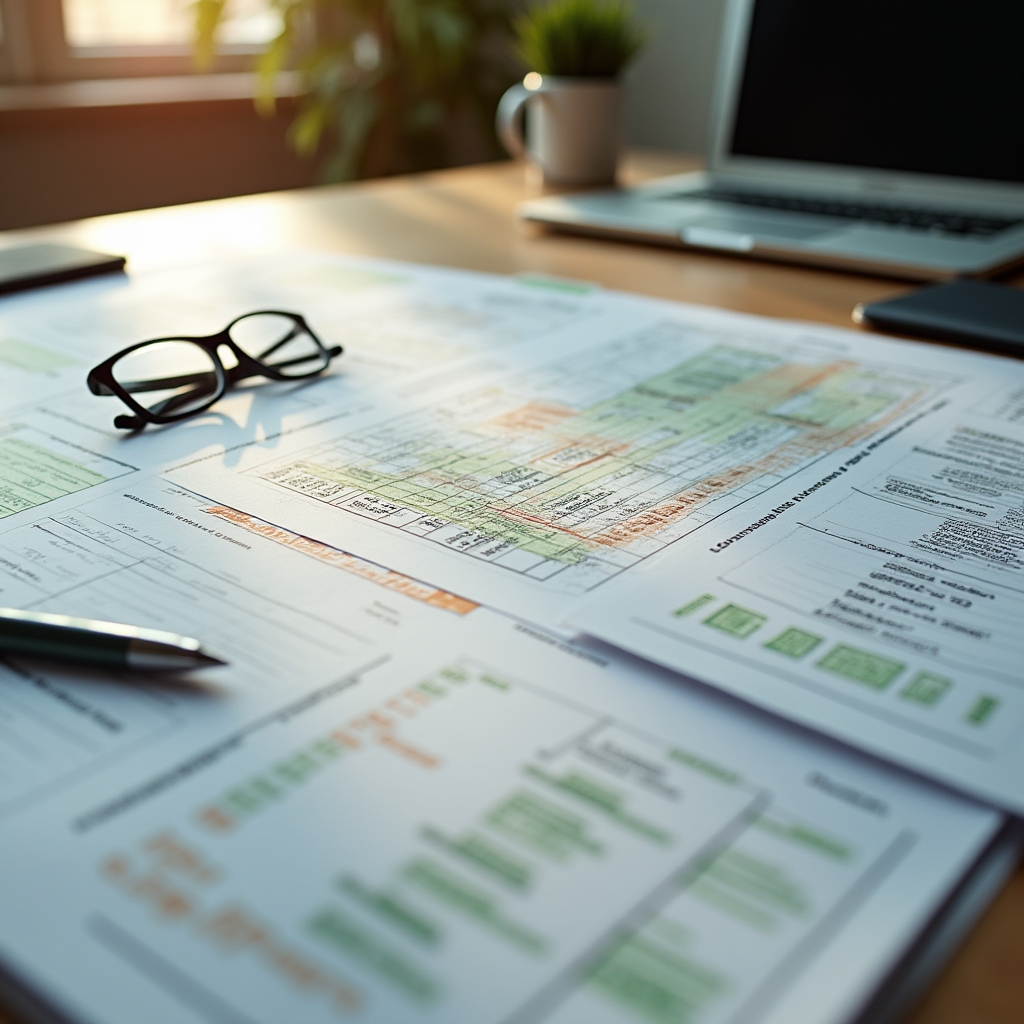
What is covered
Topics discussed across the consulting track
- Reading and interpreting a standard operations manual structure.
- Setting up a basic quality assurance checkpoint schedule.
- Designing a training path that new staff can follow without heavy supervision.
- Understanding escalation trees and when an issue should move up the chain.
- Reviewing documentation formats used for cross-location reporting.
A note on scope
This is not personalised business consulting
These sessions are educational in nature. They do not include a review of any individual's business plan, financial situation, or specific franchise decision. If a topic requires legal, financial or investment guidance specific to a real situation, that falls outside what this program offers, and participants are encouraged to seek an appropriately qualified professional separately.
Small groups
Sessions are kept small enough for genuine discussion rather than a one-way lecture.
Generic scenarios
Examples used are constructed for teaching purposes, not drawn from real named businesses.
Flexible scheduling
Session times are arranged around participant availability where reasonably possible.
Written follow-up
Notes from each session are shared afterward for reference and further reading.
Curious about attending a session?
Reach out through the contact page and the facilitation team will share the current session schedule and format details.